|
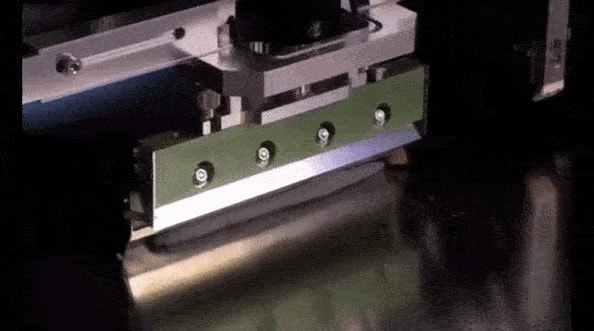
The squeegee pressure used in solder paste printing is a critical parameter that can significantly impact the quality of solder paste deposition on printed circuit boards (PCBs). The appropriate squeegee pressure depends on several factors, including the type of solder paste, stencil design, and printing equipment. Here are some general guidelines for determining the optimal squeegee pressure:
In practice, it's common to start with a moderate squeegee pressure and then adjust it incrementally based on visual inspection and measurement of solder paste deposits on test boards. The goal is to achieve uniform, consistent, and accurate solder paste deposition without defects like insufficient or excess solder paste.
Remember that fine-pitch components and tight PCB layouts may require lower squeegee pressure to ensure precise paste placement, while larger components and less complex layouts may tolerate higher pressure. Proper process control and documentation are essential for maintaining consistent results in production.
- Solder Paste Type: Different solder pastes have varying rheological properties, including viscosity and tackiness. The ideal squeegee pressure may vary depending on the specific solder paste being used. Consult the solder paste manufacturer's recommendations for optimal printing parameters.
- Stencil Design: The design of the stencil, including aperture sizes, thickness, and stencil tension, can influence the required squeegee pressure. Fine-pitch apertures or thin stencils may require lower pressure to ensure proper paste release, while thicker stencils may require higher pressure.
- Squeegee Blade Type: The type of squeegee blade, such as metal or polyurethane, can impact the printing process. Different blade materials may perform optimally at different pressures, so consider the manufacturer's recommendations.
- Squeegee Speed: The squeegee pressure and speed are often interrelated. Higher squeegee pressure may require a slower squeegee speed, while lower pressure may allow for higher speeds. Balancing these two parameters is essential for achieving consistent paste deposition.
- Printed Circuit Board (PCB) Design: The PCB layout, including pad sizes, spacing, and component orientation, can affect the choice of squeegee pressure. Boards with fine-pitch components may require lower pressure to prevent bridging or solder paste smearing.
- Printing Equipment: Different solder paste printers have varying capabilities and control systems. Some printers may offer a wider range of squeegee pressure adjustment, while others may have limitations. Consult the equipment manual for recommended pressure settings.
- Environmental Conditions: The temperature and humidity in the printing environment can affect solder paste viscosity and tackiness, which can influence the optimal squeegee pressure. Monitor environmental factors during printing.
- Process Validation: Conduct process validation and optimization experiments to determine the best squeegee pressure for your specific application. Perform test prints with different pressure settings and evaluate the solder paste deposition quality, including print consistency and solder joint quality.
In practice, it's common to start with a moderate squeegee pressure and then adjust it incrementally based on visual inspection and measurement of solder paste deposits on test boards. The goal is to achieve uniform, consistent, and accurate solder paste deposition without defects like insufficient or excess solder paste.
Remember that fine-pitch components and tight PCB layouts may require lower squeegee pressure to ensure precise paste placement, while larger components and less complex layouts may tolerate higher pressure. Proper process control and documentation are essential for maintaining consistent results in production.
