|
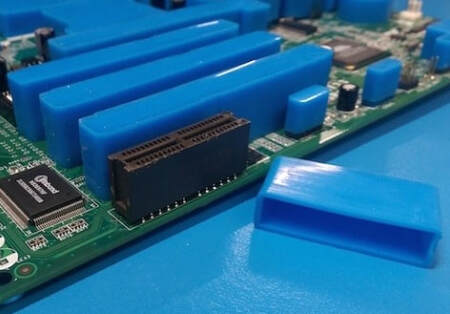
Demasking after conformal coating is a crucial step in the conformal coating process, as it involves removing any masking materials applied to protect specific areas of a printed circuit board (PCB) from being coated. Masking is typically done to prevent the conformal coating from covering or contaminating specific components or areas where coating is undesired. Here's an overview of the demasking process:
- Wait for Curing:
- Ensure that the conformal coating has fully cured before starting the demasking process. Curing times can vary based on the type of conformal coating and the curing method used (thermal, UV, moisture cure, etc.).
- Verify Coating Integrity:
- Inspect the coated PCB to ensure that the conformal coating has adhered properly and forms a continuous protective layer. Check for any defects, irregularities, or areas where the coating might not have adhered correctly.
- Identify Masked Areas:
- Identify the areas of the PCB that were masked before conformal coating. These could include connectors, switches, sensitive components, or any other parts that should remain free of coating.
- Select Demasking Tools:
- Choose appropriate tools for demasking based on the masking materials used. Common demasking tools include tweezers, precision knives, blades, or other cutting tools.
- Choose appropriate tools for demasking based on the masking materials used. Common demasking tools include tweezers, precision knives, blades, or other cutting tools.
- Precision Demasking:
- Carefully and precisely remove the masking materials from the designated areas. Take your time to avoid damaging the conformal coating or adjacent components. Ensure that there is no residue left behind that could compromise the performance or aesthetics of the PCB.
- Clean Residual Masking Material:
- If any adhesive or residue from the masking materials remains on the PCB surface, clean it using an appropriate solvent or cleaning agent. Ensure that the cleaning agent is compatible with both the conformal coating and the PCB materials.
- Inspect the Demasked PCB:
- Conduct a final inspection to verify that the demasking process has been completed successfully. Check for any signs of damage, residue, or contamination on the PCB surface.
- Quality Control:
- Implement quality control measures to ensure that the demasking process meets the required standards. This may include visual inspection, testing, or other quality assurance procedures.
- Document the Process:
- Keep records of the demasking process, including the materials used, tools employed, and any observations made during inspection. Documentation is important for traceability and process improvement.
- Follow Safety Guidelines:
- Adhere to safety guidelines and use appropriate personal protective equipment (PPE) during the demasking process, especially if using solvents or other chemical agents.
It's important to note that the demasking process requires precision and attention to detail to avoid damage to the conformal coating or the underlying components. The specific demasking tools and techniques may vary based on the type of masking materials and conformal coating used, so always refer to the recommendations provided by the conformal coating and masking material manufacturers.
